

DANIEL・Jan 09,2026

【美國新飲食指引】終於不再死計卡路里!原來「食真嘢」先係王道?

Quick Answer

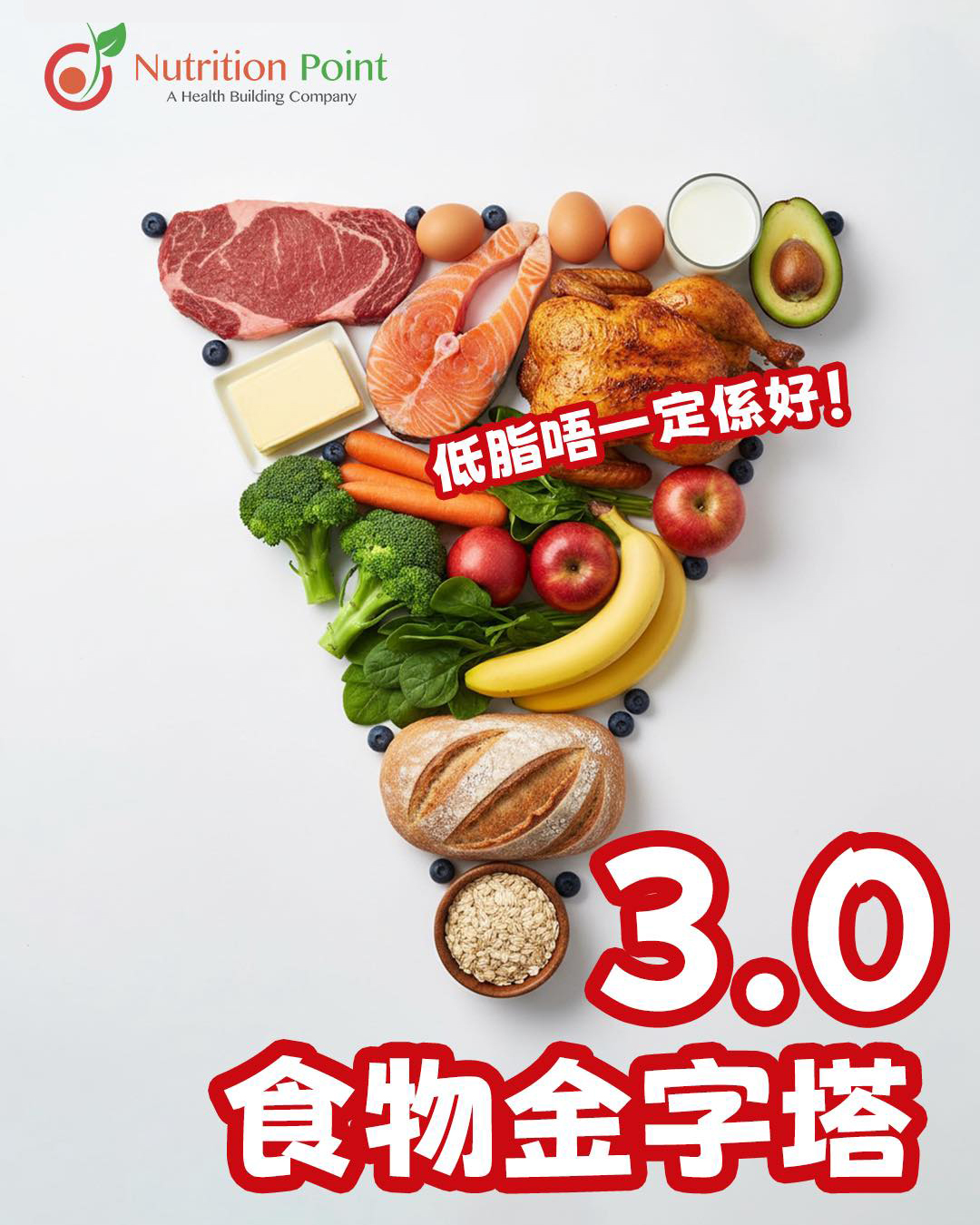
美國2025-2030年新飲食指引不再單純計算卡路里,而是強調「食物質素」和「加工程度」的重要性。指引首次明確建議避免「超加工食品」,因為其乳化劑和添加劑長期累積會導致「亞健康」狀態,並大幅提升蛋白質攝取量至約1.2-1.6克/公斤,以維持高水平身體機能。Nutrition Point 認為,這反映了回歸「原型食物」並關注「微生態」的飲食趨勢,甚至對天然脂肪如牛油的態度也趨於軟化。

【美國新飲食指引】終於不再死計卡路里!原來「食真嘢」先係王道?
【美國新飲食指引🇺🇸】終於不再死計卡路里!原來「食真嘢」先係王道?🍎🥩
這幾日營養界最熱門的話題,一定係美國啱啱出爐嘅 2025-2030 飲食指引 (Dietary Guidelines)!對於一直關注開 Nutrition Point 嘅朋友,睇完可能會覺得好熟悉——因為裏面好多重點,正正就係我們平日成日同大家講嘅野!😎
今次最大嘅改變,係主流營養學終於承認:單純睇熱量數字係唔夠嘅,「食物質素」同「加工程度」先係關鍵。
Jim Lau 同大家拆解當中 3 個同你息息相關嘅重點:
👇🏻👇🏻👇🏻
美國新飲食指引為何首次明確建議避免超加工食品?
以前官方可能只會叫你「少食零食」,但今次指引好直接:將 「超加工食品」(Ultra-Processed Foods) 列為應該避免嘅類別。
點解?因為裏面嘅乳化劑、添加劑,雖然唔會令你即時唔舒服,但長期累積落嚟,好容易令身體出現「亞健康」狀態,例如飯後成日肚脹、皮膚反覆敏感、個人容易攰。
💡 重點: 唔好只睇卡路里低就覺得健康,識得避開成分表上面嗰堆化學名,先係錫住個肚嘅表現。
2️⃣ 蛋白質攝取量要 Upgrade 🆙
新指引建議蛋白質攝取量大幅提升(約 1.2-1.6g/kg)!
之前蛋白質嘅指引只係維持基本身體工作,但係而家強調嘅係要維持一個高水平嘅身體工作效率!
美國新飲食指引為何大幅提升蛋白質攝取量建議?
💡 Jim Lau 溫馨提示: 加蛋白都要個肚受得住。如果你平日食少少肉就覺得滯,記得要循序漸進,或者留意下自己嘅消化能力跟唔跟得上。
3️⃣ 為「脂肪」平反?牛油都食得?🧈
這是最令人意外嘅一點!指引對飽和脂肪嘅態度軟化咗,甚至提到牛油 (Butter) 呢類天然脂肪。
美國新飲食指引如何為脂肪平反,甚至提及天然脂肪如牛油?
💡 重點: 揀天然來源(如草飼牛油、魚油、牛油果),遠離加工植物油,這才是錫住微生態嘅食法。
👨🏻‍⚕️ Jim Lau 總結:
這次美國新指引其實係一個好大嘅肯定——證明 「回歸原型食物 (Real Food)」、「關注微生態」 才是大勢所趨。
Jim Lau 總結:美國新飲食指引強調回歸原型食物與關注微生態
【10-day challenge : 營養師幫你解鎖消脂體質】
Nutrition Point 成功案例分享
Nutrition Point 自助預約系統
Nutrition Point Whatsapp 預約

Older Post › ‹ New Posts

Frequently Asked Questions

1 What are "ultra-processed foods" and why should I avoid them according to the new US dietary guidelines?

Ultra-processed foods are items containing emulsifiers and additives that, while not immediately harmful, can lead to "sub-health" conditions like bloating, skin sensitivity, and fatigue over time. The new guidelines explicitly recommend avoiding them, emphasizing that avoiding chemical names in ingredient lists is crucial for gut health.

2 The new guidelines recommend higher protein intake. How much protein is suggested, and why is it important?

The new guidelines suggest a significantly increased protein intake, approximately 1.2-1.6g per kg of body weight. This is crucial for maintaining muscle mass and ensuring high-level body function and energy, moving beyond just basic bodily maintenance. Many people, especially those eating typical Hong Kong breakfasts and lunches, often don't consume enough protein.

3 What is the new stance on fats in the US dietary guidelines, and which types of fats are considered healthy?

The guidelines have softened their stance on saturated fats, even mentioning natural fats like butter. The key distinction is between natural, quality fats (e.g., grass-fed butter, fish oil, avocado) and "fake oils" or refined processed oils. Natural fats are essential for body function and gut micro-ecology, while processed oils should be avoided.

4 How do the new US dietary guidelines shift focus from calorie counting to "real food" and "food quality"?

The new guidelines acknowledge that simply counting calories is insufficient for health. Instead, they emphasize "food quality" and "processing level" as the critical factors. The overall message is a return to "real food" and a focus on gut micro-ecology, suggesting that choosing truly beneficial foods will naturally lead to better health outcomes.